Featured Stories
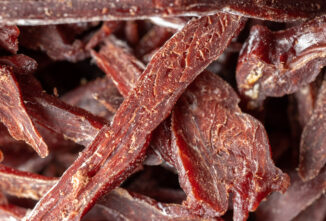
Smoked Venison Jerky
Add to Favorites By Jenny Underwood In our house, one of our favorite meats is venison, and one of our kids’ favorite ways to eat it is as smoked venison jerky. It’s healthy, full of protein, and …
Read More
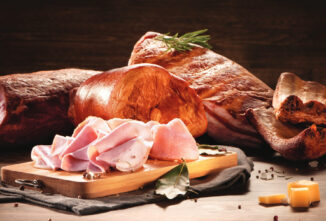
Food Preservation History
Learn about food preservation history and the natural ways to preserve meat while retaining nutritional value and flavor.
Read More
Types of Sheep Cheese
Different types of sheep cheeses are made from sheep milk, and many of them are familiar to the average consumer and traditionally made from dairy sheep.
Read More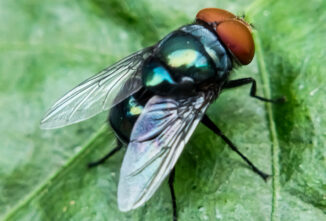
What is a Screwworm?
What is a Screwworm? Learn about where it came from, how it got here, the Key deer screwworm of the Florida Keys, screwworm treatment and fly eradication programs.
Read More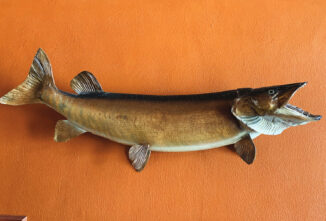
Musky Fishing with Dad
Learn about musky fish, the largest fish in the pike family, which takes its prey by surprise with its doglike musky teeth and pick up some fishing tips to catch this monster, including where and when to find it.
Read More
Necessity is the Mother of Invention
Follow Dana’s no, or low-cost, environmentally friendly fixes for what you have, with what you have or can easily obtain and find inspiration for upcycling old items.
Read More
Farm Equipment Maintenance Checklist
Follow this farm equipment maintenance checklist for small engines, tillers, lawnmowers, wood splitters, and chainsaws for some of the most common things you’ll need to do to keep your equipment in tip-top shape.
Read More
Is Milling Your Own Lumber Worth it?
Is milling your own lumber worth it? Consider milling your own wood if you live on a farm with wooded acres and many building project needs.
Read More
Orphan Calf Care
Strange, unexpected things can happen to a mama cow. Learn orphan calf care from bottle and tube feeding to raising a calf with a buddy to reduce stress while keeping the immune system strong.
Read More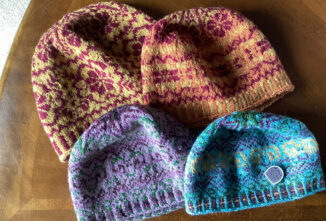
Learning How to Knit a Beanie
Get ready for wool week by learning to knit a beanie with color-strands to wear while attending the conference.
Read More
Create a Nature Trail on Your Property
To create a nature trail, you don’t need a lot of acreage, just a desire to go a bit outside the norms of suburbia’s perfect lawn and tree fascination.
Read More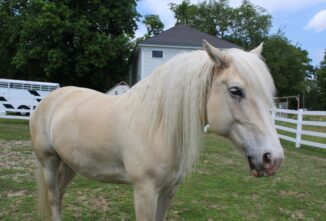
American Horses: Three of Many
A guide to three breeds of American horses. Get details on the American Cream, Morgan, and Newfoundland Pony.
Read More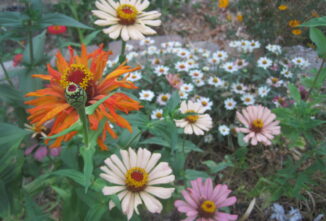
The Best Flowers for a Cutting Garden
In this article, you’ll learn which are my best flowers for a cutting garden in Zone 6b. By doing some research, you too will find your favorites.
Read More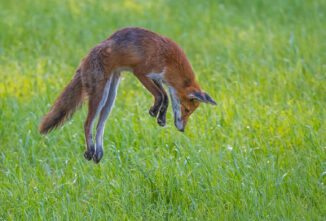
Are Foxes Friendly?
Are foxes friendly to humans and chickens? Learn more by reading about a family of foxes discovered on a homestead.
Read More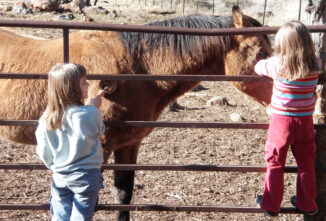
Understanding Animal Body Language
Develop a better understanding of animal body language, focusing on how livestock animals express their personalities and emotions through specific movements.
Read MoreSubscribe to Countryside Magazine Today!
What You Can Do with Countryside as Your Guide!
Research-based stories and actionable guidance on growing and preserving food, raising healthy animals, DIY projects, cooking simply and naturally, herbal remedies, and fixing what is broken.- Grow and preserve the most nutritious food for you and your family
- Raise healthy animals from pasture to plate
- Cook simply and naturally
- Build things yourself and take pride in your handiwork
- Treat ailments naturally and take control of your own health and longevity
- Fix what is broken so you get the most out of your investments
- Create your own certainty in an uncertain world
- And more!

Canadian Subscribers • International Subscribers
Canadian subscriptions: 1 year (includes postage & GST)